DIY Camper Trailer Kitchen Setup: A Comprehensive Guide
DIY Camper Trailer Kitchen Setup: Transform Your Adventures
Embarking on a camping trip with a well-equipped kitchen can make all the difference between a rough outing and a luxurious escape into nature. If you're a DIY enthusiast looking to customize your camper trailer, setting up a functional kitchen is an exciting project. In this guide, we'll walk you through creating a compact, efficient DIY camper trailer kitchen setup that maximizes space, minimizes costs, and enhances your outdoor experience. Whether you're a weekend warrior or a full-time nomad, this setup will ensure you can whip up meals on the go without sacrificing comfort.
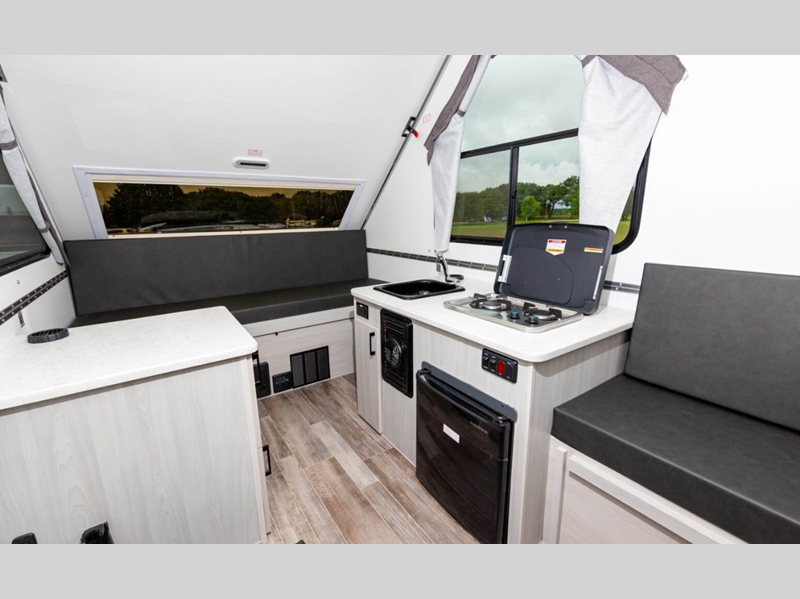
Before diving into the details, consider integrating modular components like a detachable pickup camping box for added versatility. This allows you to detach and store your kitchen setup easily when not in use, making it ideal for pickup truck owners who want flexibility.
Why Go DIY for Your Camper Trailer Kitchen?
There are numerous benefits to building your own camper trailer kitchen. First, it's cost-effective. Pre-built camper kitchens can run into thousands of dollars, but with DIY, you can source materials affordably and customize to your needs. Second, personalization is key. You can design the layout to fit your cooking style—whether you prefer grilling outdoors or preparing gourmet meals inside. Third, it's a fun project that builds skills in woodworking, plumbing, and electrical work. Plus, in 2026, with rising interest in sustainable living, using recycled materials adds an eco-friendly twist.
According to recent trends, over 50% of campers now prefer customized setups, as they allow for better space utilization in compact trailers. This guide aims for a setup that's portable, durable, and easy to maintain, suitable for trailers ranging from 10 to 20 feet long.
Materials You'll Need
To get started, gather these essential materials. Aim for lightweight, weather-resistant items to keep your trailer nimble on the road.
- Base Structure: Plywood sheets (1/2 inch thick) for cabinets and countertops. Marine-grade plywood is best for moisture resistance.
- Cooking Appliances: A portable two-burner propane stove, like those from Coleman, costing around $50-100.
- Sink and Plumbing: A compact stainless steel sink (12x12 inches) with a foot-pump faucet for water efficiency.
- Storage Solutions: Pull-out drawers, overhead cabinets, and magnetic knife holders to maximize vertical space.
- Power Source: Solar panels or a 12V battery system to power lights and a small fridge.
- Miscellaneous: LED lighting, ventilation fan, non-slip mats, and sealants for weatherproofing.
Total estimated cost: $300-800, depending on quality and sourcing from places like Home Depot or online marketplaces.
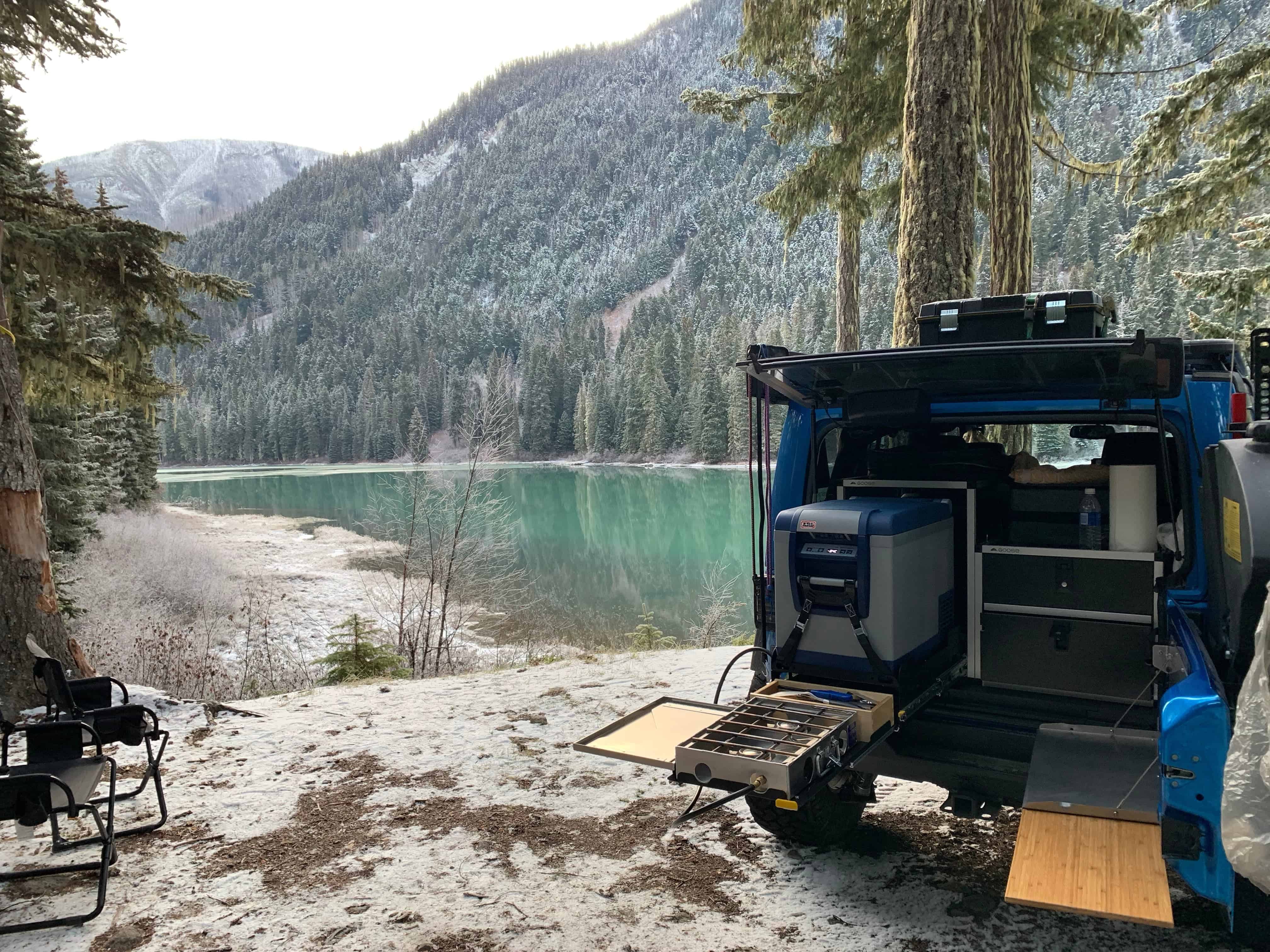
For those with pickup trucks, pairing this with a pickup camper box can create a seamless transition from driving to camping mode.
Step-by-Step Setup Guide
Step 1: Planning and Design
Begin by measuring your trailer's interior space. Sketch a layout using free tools like SketchUp. Allocate areas for cooking, prep, storage, and washing. Ensure there's at least 2-3 feet of countertop space. Consider ergonomics—place the stove at waist height to avoid bending.
Incorporate modular elements. For instance, build cabinets that can be removed for cleaning or upgrades. If you're using a detachable system, design it to fit snugly into your trailer's frame.
Step 2: Building the Base
Cut plywood to form the kitchen frame. Use screws and brackets for assembly. Install a countertop made from butcher block or laminate for durability. Seal all edges with silicone to prevent water damage.
Pro Tip: Add wheels to the base for easy mobility if you plan to use it outside the trailer occasionally.
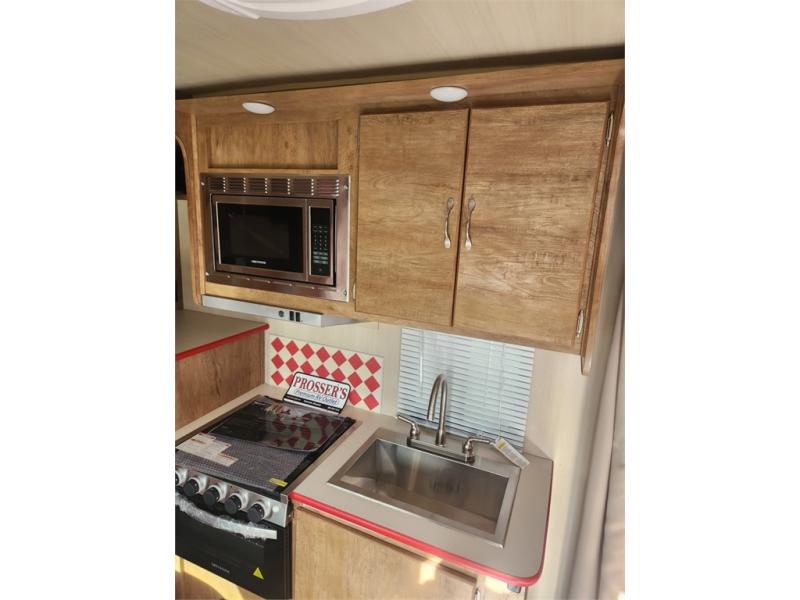
Step 3: Installing Appliances
Mount the stove securely with brackets. Connect it to a propane tank stored externally for safety. For the sink, drill holes for plumbing and connect to fresh and gray water tanks (5-10 gallons each). Use a simple gravity-fed system or a 12V pump.
Add a mini-fridge (like a 1.7 cubic foot model from Dometic) powered by your trailer's battery. Ensure proper ventilation to avoid overheating.
Step 4: Storage and Organization
Build custom shelves and drawers. Use tension rods for dividers and stackable bins for utensils. Install hooks for pots and pans. Magnetic strips are great for knives and tools, saving drawer space.
For efficiency, label everything and use clear containers for dry goods to prevent spills during travel.

Step 5: Electrical and Lighting
Wire LED strips under cabinets for task lighting. Connect to a switch and your power source. If adding outlets, use marine-grade ones for safety.
Optional: Install a solar panel on the trailer roof to keep batteries charged during extended trips.
Step 6: Testing and Finishing Touches
Test all components: Run water, light the stove, and check for leaks. Add aesthetic elements like peel-and-stick backsplash tiles or custom paint for a personal touch.
Safety first—install a fire extinguisher, carbon monoxide detector, and ensure good ventilation.
Tips for Maintenance and Upgrades
To keep your DIY kitchen in top shape, clean regularly with mild soap. Inspect seals and connections before each trip. For upgrades, consider smart features like app-controlled lights or a composting toilet integration.
If space is tight, look into foldable tables or multi-use appliances. Sustainability tip: Use bamboo for countertops and LED bulbs to reduce energy use.
Common pitfalls to avoid: Overloading with heavy items, which affects trailer balance, or skimping on insulation, leading to condensation issues.
Conclusion
Creating a DIY camper trailer kitchen setup is a rewarding endeavor that elevates your camping lifestyle. With careful planning and quality materials, you'll have a space that's functional, cozy, and ready for adventure. Remember, for enhanced portability, explore options like the detachable pickup camping box or pickup camper box to make your setup even more versatile.
Hit the road with confidence, knowing your kitchen is as rugged as the trails ahead. Happy camping!
(Word count: approximately 1050)


评论
发表评论