How to Insulate Your Camper Trailer for Extreme Weather | 4-Season Ready Guide
How to Insulate Your Camper Trailer for Extreme Weather: 4-Season Upgrade Guide
By Overland Essentials | January 16, 2026
Whether you're chasing winter snow adventures or surviving scorching desert summers, proper insulation turns your camper trailer into a comfortable, year-round shelter. Poor insulation leads to condensation, high heating/cooling costs, and discomfort. With the right materials and techniques, you can achieve true 4-season capability — keeping warm in sub-zero temps and cool in 100°F+ heat.
Why Insulate for Extreme Weather?
Insulation reduces heat transfer, controls moisture, and improves energy efficiency for off-grid camping. In cold weather, it prevents heat loss and freezing pipes; in hot conditions, it blocks solar gain and keeps interiors bearable.
See inspiring examples of insulated trailers thriving in harsh extremes:



Best Insulation Materials for Camper Trailers
- Rigid Foam Boards (XPS or Polyiso) — High R-value, moisture-resistant; great for walls, floor, ceiling.
- Spray Foam — Expands to fill gaps; excellent air sealing but harder to DIY.
- Reflectix (Foil Bubble Wrap) — Reflective barrier; best combined with other materials for radiant heat block.
- Sheep's Wool or Havelock Wool — Natural, moisture-wicking for cold climates.
- Underbelly Wrap/Insulation — Protects pipes and tanks from freezing.
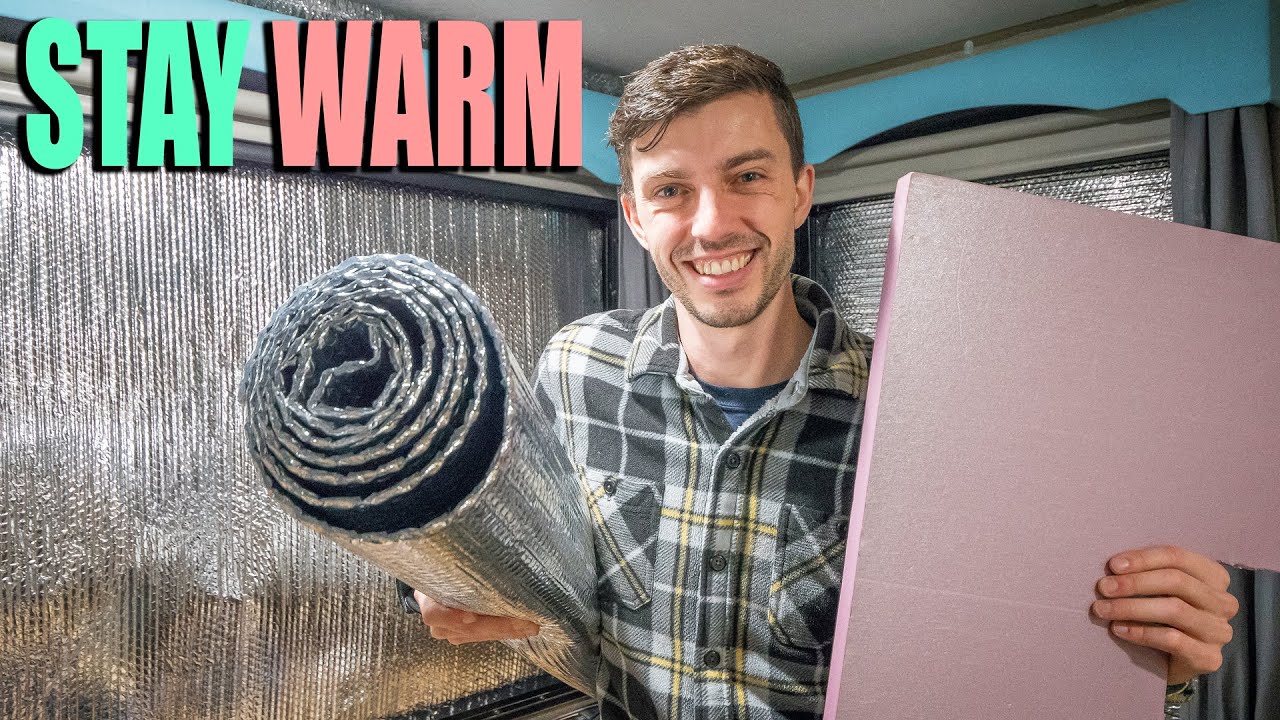
Real-world insulation installations in camper trailers:
.jpg)
Step-by-Step Insulation Guide
1. Prep & Plan
Remove interior panels/walls. Measure everything. Seal gaps with Great Stuff foam or butyl tape.
2. Floor Insulation
Lift subfloor if possible; lay rigid foam + vapor barrier. Cover with plywood.
3. Walls & Ceiling
Cut foam boards to fit between studs. Use Reflectix for extra radiant barrier. Tape seams with foil tape. Add furring strips for paneling.
4. Windows & Doors
Apply thermal curtains, window film, or insulated covers. Weatherstrip doors.
5. Underbelly & Tanks
Wrap exposed tanks/pipes with heat tape + foam. Insulate underbelly with enclosed skirting in winter.
Detailed DIY insulation processes in action:


Extreme Weather Tips
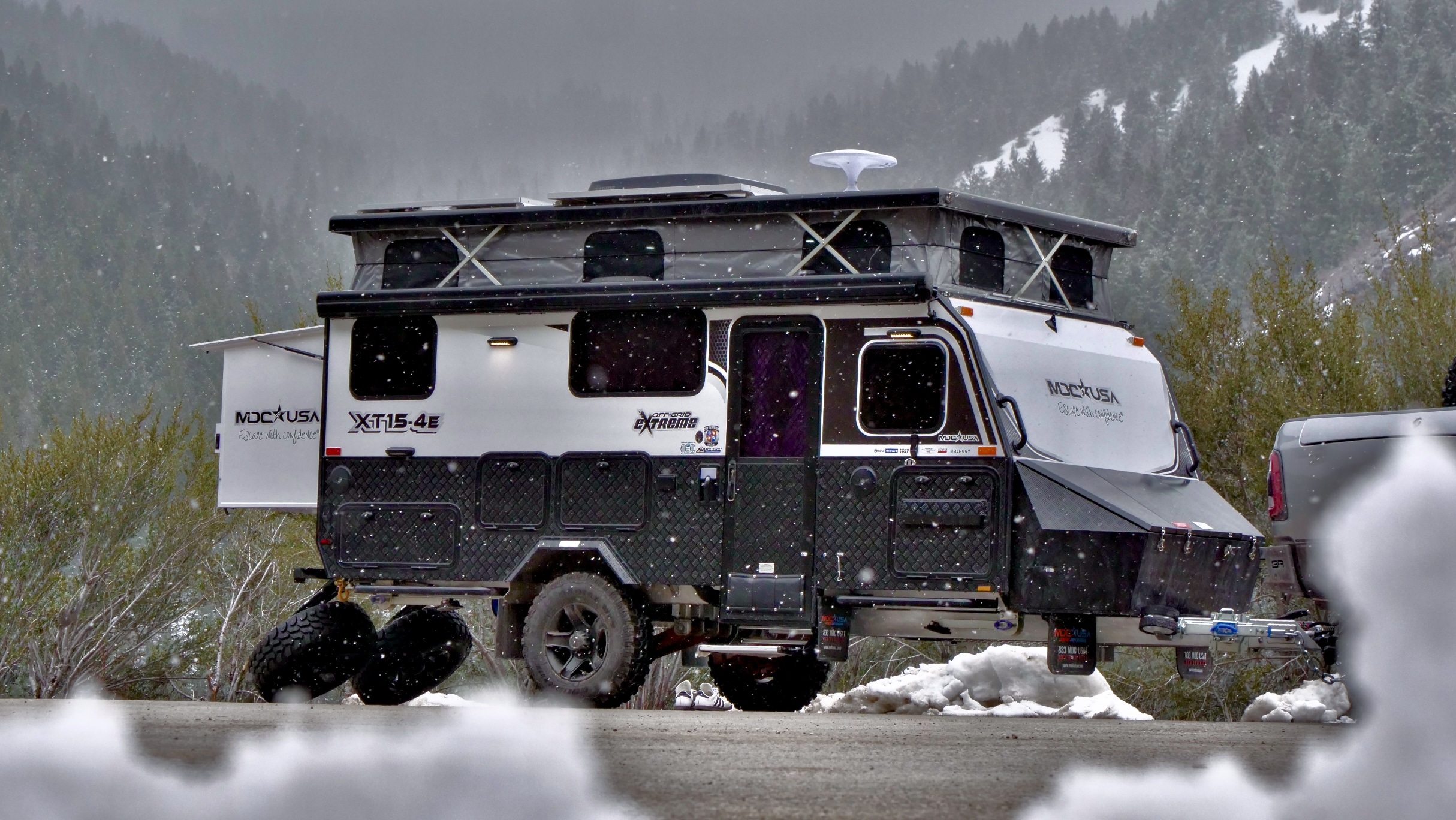
Winter-ready insulated trailer in snow:
Bonus: Storage Solutions for Off-Road Adventures
Once insulated, maximize space with smart storage. A durable off-road camping box or pickup truck camping storage solution keeps gear organized and protected. Pair it with a reliable base vehicle like a pickup camper setup for ultimate off-grid freedom.
Practical truck bed camping storage examples:


Final Thoughts
Insulating your camper trailer is one of the best investments for extreme weather camping. With foam boards, reflective barriers, and proper sealing, you'll stay comfortable in snowstorms or heatwaves. Start small, test in real conditions, and enjoy more adventures — year-round!


评论
发表评论