The Ultimate Overlanding Trailer Packing List
The Ultimate Overlanding Trailer Packing List
Overlanding has taken the world by storm. More and more adventurers are choosing to tow trailers deep into the wilderness, enjoying the freedom of fully self-sufficient travel. A trailer not only provides extra storage space but also maintains mobility across rough terrain. Packing, however, is never just about throwing things in—it requires strategic planning to balance safety, comfort, and enjoyment. Whether you’re a seasoned overlander or a first-timer, this ultimate trailer packing list breaks everything down by category, from essential gear to emergency preparedness. Modular organization is highly recommended: use storage boxes, roof racks, and trailer compartments to keep everything neat and accessible.
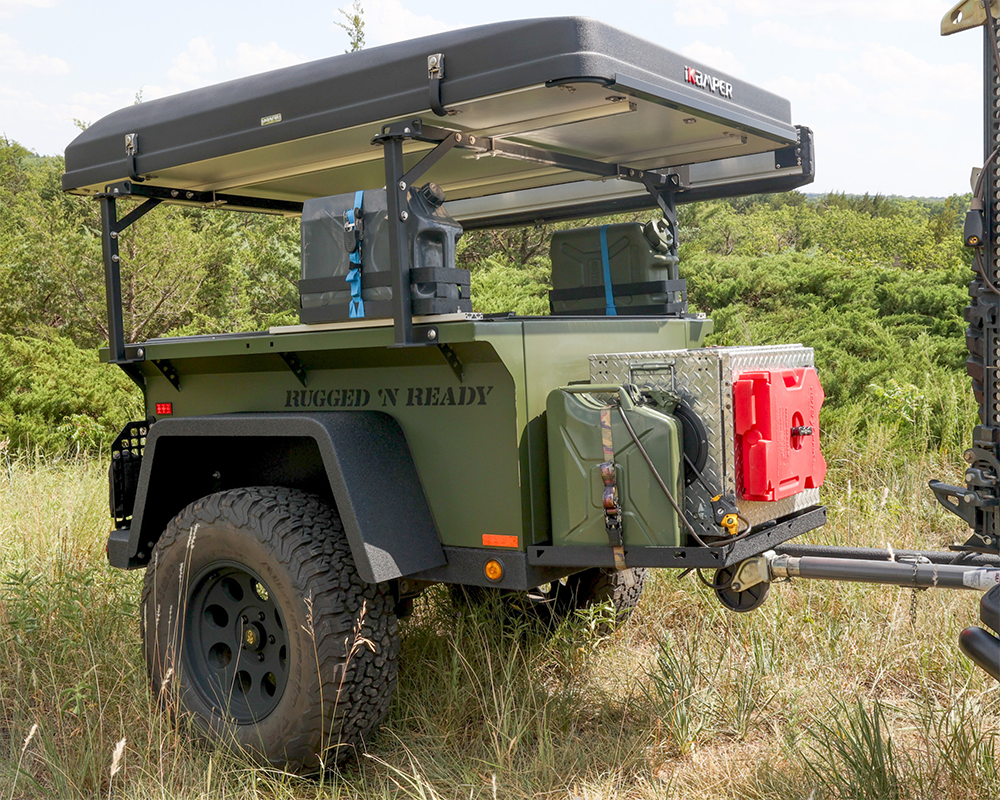
Vehicle & Trailer Essentials
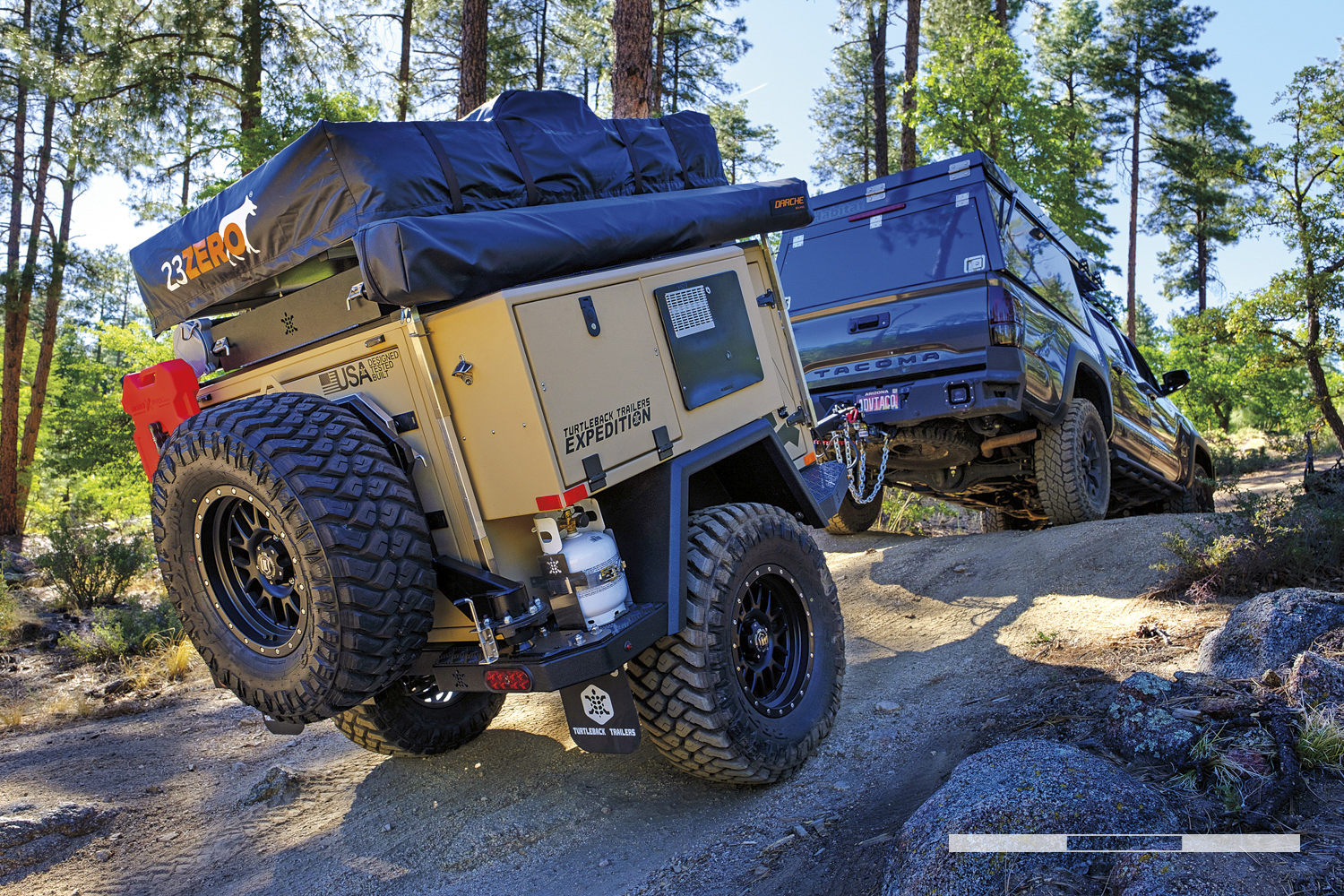
A reliable 4WD vehicle paired with an off-road trailer is the foundation of any successful expedition. Choose an adventure trailer equipped with off-road tires and suspension. Must-have items include:
- Full-size spare tire + jack: Ideally, the trailer tires should match the tow vehicle for easy interchangeability. Include a tire repair kit (plugs, patches, air compressor).
- Towing equipment: Heavy-duty hitch, safety chains, brake controller, and weight distribution/anti-sway system.
- Navigation tools: Garmin inReach GPS, paper maps, compass, and offline apps like Gaia GPS.
- Extra fuel: Carry at least 20% additional fuel using jerry cans or an auxiliary tank.
- Vehicle maintenance kit: Engine oil, coolant, brake fluid, fuses, belts, plus basic tools such as wrenches, sockets, and a multimeter.
Before departure, always inspect trailer brakes, lights, bearings, and tongue weight. Proper maintenance prevents breakdowns far from help.

Camping Comfort Gear
An overlanding trailer can transform the outdoors into a mobile home. Prioritize durable, weather-resistant equipment.
- Shelter: Rooftop tent or ground tent with rainfly. If the trailer has a built-in sleeping platform, add a quality mattress or inflatable pad.
- Sleep system: Sleeping bags rated for expected temperatures (20°F or lower for cold nights), pillows, and washable liners.
- Furniture: Folding camp chairs, compact tables, awnings for shade or rain protection.
- Lighting: LED lanterns, headlamps, and solar or rechargeable string lights.
- Storage solutions: Waterproof duffels, cargo nets, and modular boxes to keep clothing dry and organized.

Kitchen & Food Supplies
Cooking in the wild is one of the greatest joys of overlanding. A trailer allows you to build a dedicated outdoor kitchen.
- Cooking gear: Portable stove (propane/butane), grill, Dutch oven, nesting cookware. A fridge or high-quality cooler for fresh food.
- Utensils & tools: Biodegradable plates, cups, cutlery, cutting board, multi-tool. Trash bags and eco-friendly soap.
- Food storage: Bear-resistant containers in wildlife areas; dry foods like rice, pasta, and canned goods. Plan 2,500–3,000 calories per person per day.
- Water filtration: Pump filters or UV purifiers to refill trailer water tanks.
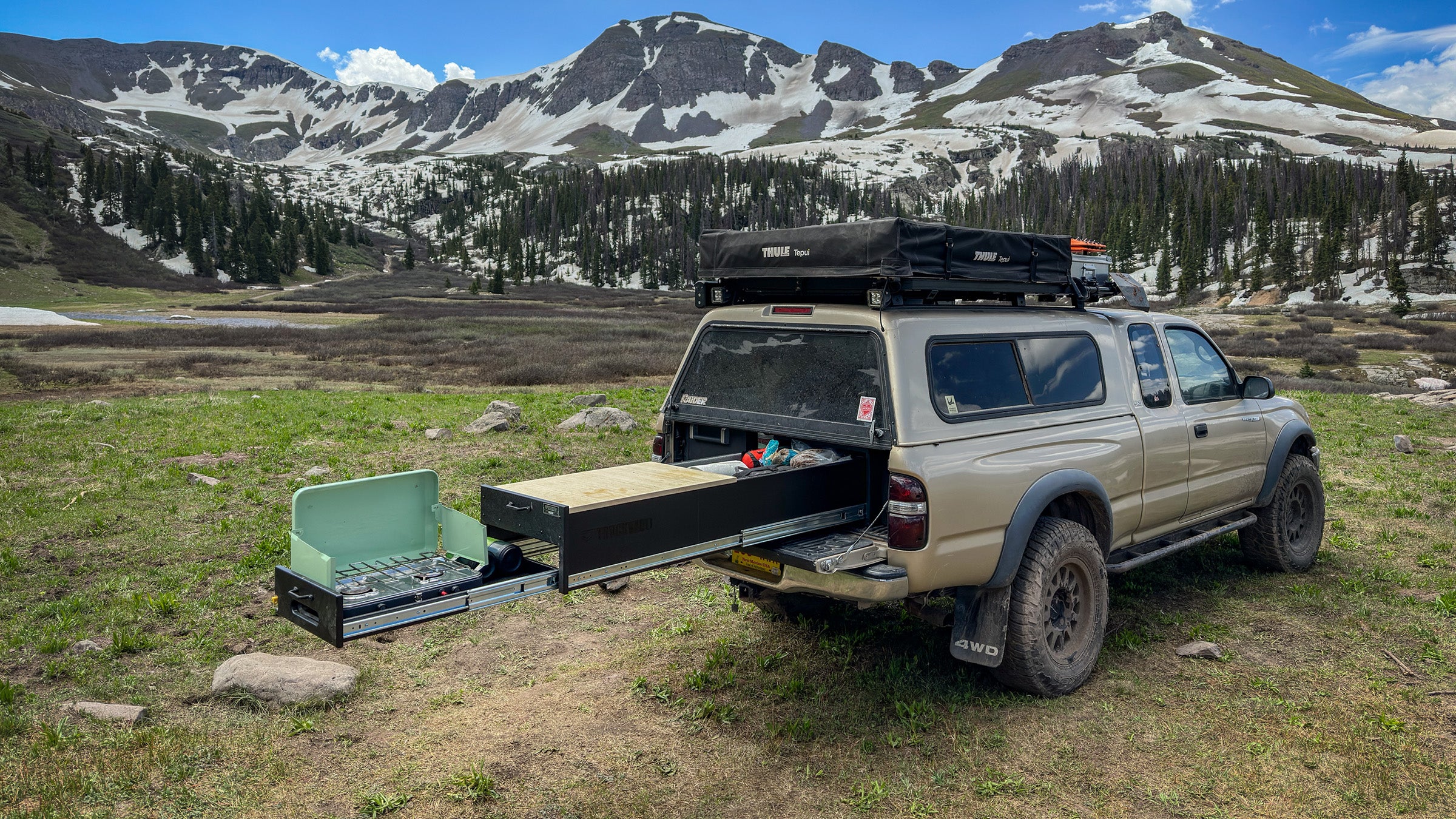
Water & Hygiene
- Water storage: Built-in trailer tanks (20–40 gallons) plus backup jerry cans (minimum 2 gallons per person per day).
- Purification: Tablets, filters, or boiling as an emergency method.
- Sanitation: Portable toilet or shovel with biodegradable bags, hand sanitizer, wet wipes, and a solar shower.
Always follow Leave No Trace principles to protect the environment.
Power & Electronics
- Solar power system: 100–200W panels with charge controller and deep-cycle battery. Inverter for AC devices.
- Portable power stations: Options like Jackery, power banks, and a satellite communicator for emergencies.
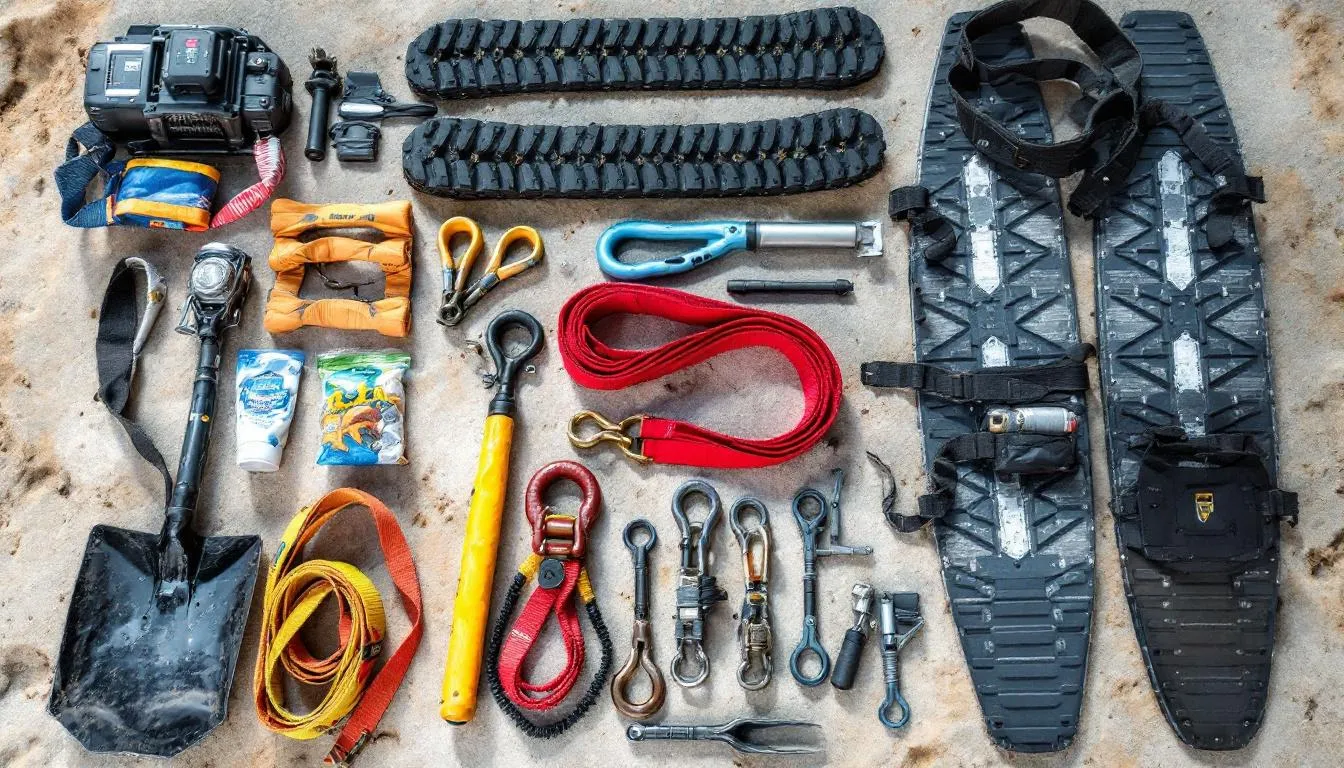
Recovery & Safety Equipment
Off-road travel always carries the risk of getting stuck. Self-recovery capability is essential.
- Recovery gear: Winch, tow straps, kinetic ropes, shackles, snatch blocks, traction boards (e.g., Maxtrax).
- Tire equipment: Air compressor, pressure gauge, tire repair kit, high-lift jack.
- Emergency items: Fire extinguisher, signal flares, whistle, reflective vest.
- First aid kit: Comprehensive kit with bandages, medications, splints, and trauma supplies.
In extreme situations, a professional four-wheel drive pickup rescue vehicle can be a true lifesaver—purpose-built for heavy-duty recovery and the ultimate backup in the wild.
Miscellaneous & Personal Items
- Clothing: Layered outfits, quick-dry pants, merino wool base layers, rain jacket, and sturdy off-road boots.
- Personal care: Sunscreen, insect repellent, lip balm, and toiletries.
Final Tips & Preparation
The key to overlanding trailer packing is balance: be self-sufficient without overloading. Keep total weight within 80% of your vehicle’s towing capacity. A short test trip before a major expedition is highly recommended. Adjust your setup for different seasons and terrain—add tire chains and insulation for winter, and carry extra water for desert travel.
May every trail bring adventure, challenge, and unforgettable memories—and may you always return safely.
(~1,050 words | 2026 Ultimate Overlanding Guide)


评论
发表评论