Essential Overlanding Trailer Checklist Before Every Trip
Overlanding with a trailer opens up new possibilities for extended adventures, allowing you to carry more gear, water, fuel, and comforts into remote wilderness areas. However, the added complexity of towing an off-road trailer demands thorough preparation. A pre-trip checklist ensures your trailer is safe, reliable, and ready for rough terrain, preventing breakdowns far from civilization. This guide focuses on essential checks before every trip—whether a weekend escape or a multi-week expedition. Perform these inspections systematically, ideally the day before departure.
1. Hitch and Connection System
The hitch is your trailer's lifeline. A failure here can be catastrophic off-road.
- Inspect the coupler for wear, cracks, or deformation; ensure it locks securely on the ball.
- Check the hitch ball size and rating match the trailer (e.g., 2" or 2-5/16").
- Verify safety chains are properly crossed, attached securely, and have adequate slack for turns but no dragging.
- Test the breakaway cable and switch—pull it to confirm brakes engage.
- For off-road hitches (e.g., articulating or pivot types), grease moving parts and check for excessive play.
- Secure any hitch lock or anti-theft device if leaving the vehicle unattended.
Figure 1: Proper safety chains and hitch setup on an overlanding trailer—crossed chains provide critical backup in case of disconnection.

2. Tires, Wheels, and Suspension
Trailer tires face extreme stress on rough trails—underinflation or damage leads to blowouts or sway.
- Check tire pressure (cold) against sidewall max or trailer specs; include the spare (fully inflated and accessible).
- Inspect for cracks, dry rot, punctures, uneven wear, or bulges; replace if over 5-6 years old regardless of tread.
- Torque lug nuts to manufacturer specs using a star pattern; re-check after first 50 miles.
- Examine wheels for bends, cracks, or corrosion.
- Inspect suspension components (springs, shocks, bushings) for wear, leaks, or loose bolts.
- Ensure axle bearings are greased (repack if needed) and check for play by jacking up wheels.
Figure 2: Inspecting trailer tires and brakes is crucial—off-road conditions accelerate wear on these components.

3. Brakes and Electrical Systems
Functional brakes prevent dangerous trailer sway or runaway scenarios on descents.
- Test electric brakes (if equipped) with the controller—ensure smooth engagement and no drag.
- Adjust brake shoes if needed for proper clearance.
- Inspect wiring harness for frays, corrosion, or loose connections.
- Check all lights: tail, brake, turn signals, and running lights on both trailer and tow vehicle.
- Verify 7-pin (or 12-pin) connector is clean, secure, and has sufficient slack for articulation.
- Test trailer battery charge (for brakes, lights, or accessories); top off or replace as needed.
4. Frame, Body, and Load Security
Off-road trails subject the trailer to twists and impacts—ensure nothing shifts.
- Walk around for rust, cracks, or loose panels on frame and body.
- Check roof, seals, and hatches for leaks or damage; clean solar panels if equipped.
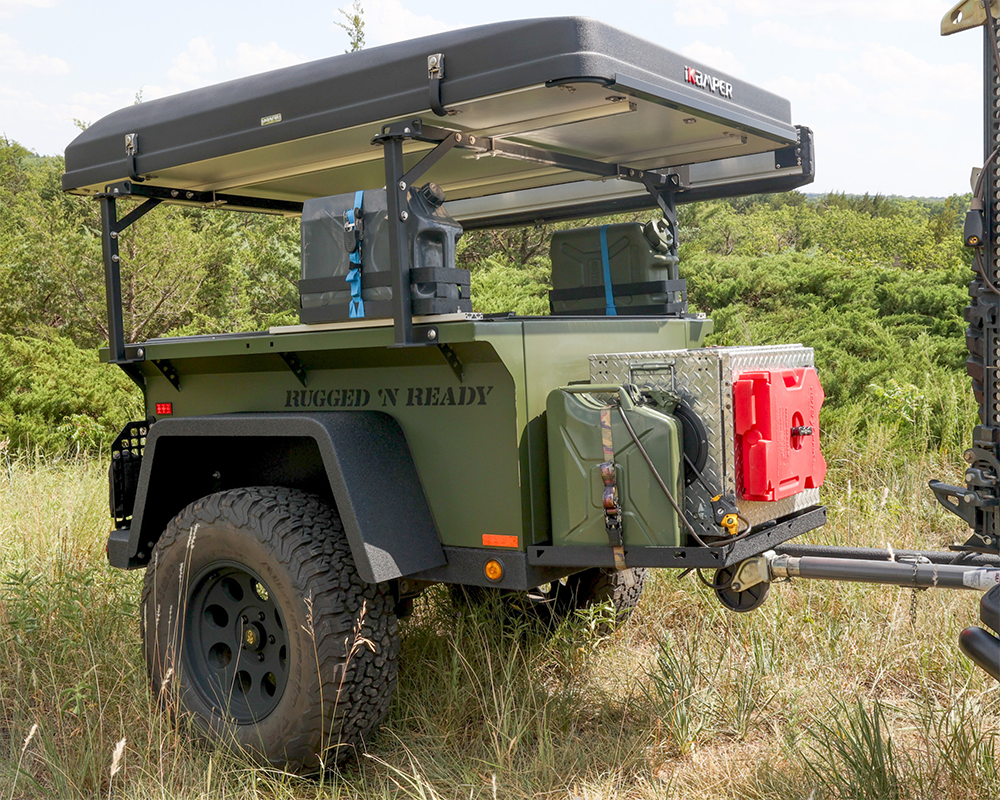
- Secure all gear: straps, nets, or tie-downs for jerry cans, spare tires, recovery gear, and roof loads.
- Verify tongue weight is 10-15% of total trailer weight for stable towing.
- Inspect propane tanks, hoses, and regulators for leaks or damage.
- Ensure doors, latches, and compartments close securely and are locked if needed.
Figure 3: A well-loaded overlanding trailer with secure gear and recovery equipment—proper packing prevents shifts on rough terrain.
5. Essential Recovery and Safety Gear
Carry items specific to trailer recovery in remote areas.
- Spare tire, jack, lug wrench, and wheel chocks.
- Recovery straps, shackles, traction boards (e.g., Maxtrax), and hi-lift jack if off-road capable.
- Fire extinguisher, first aid kit, and emergency tools.
- Extra fluids (brake, grease), duct tape, zip ties, and basic toolkit.
- Communication devices (satellite messenger like Garmin inReach) and offline maps.
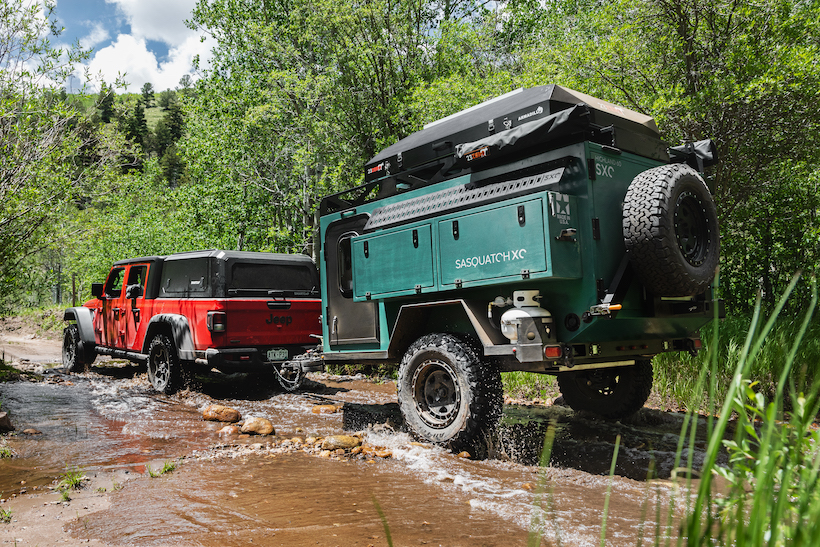
Figure 4: An overlanding trailer tackling rugged terrain—pre-trip checks ensure it handles the adventure safely.
Final Walk-Around and Tow Test
Do a full walk-around with the trailer hitched: check for leaks, loose items, and proper ride height. Perform a short tow test on pavement—brake hard, accelerate, and make turns to confirm stability, brake function, and no unusual noises. Re-inspect after the first few miles of any trip.
Conclusion: Preparation Prevents Problems
A comprehensive pre-trip checklist turns potential disasters into minor inconveniences. Overlanding trailers endure harsh conditions, so treating these checks as non-negotiable keeps you safe and enjoying the journey. Customize based on your trailer's model (e.g., off-grid features like solar or water systems), but never skip the basics. Safe travels—get out there and explore!
Essential Overlanding Trailer Checklist Before Every Trip
Overlanding with a trailer opens up new possibilities for extended adventures, allowing you to carry more gear, water, fuel, and comforts into remote wilderness areas. However, the added complexity of towing an off-road trailer demands thorough preparation. A pre-trip checklist ensures your trailer is safe, reliable, and ready for rough terrain, preventing breakdowns far from civilization. This guide focuses on essential checks before every trip—whether a weekend escape or a multi-week expedition. Perform these inspections systematically, ideally the day before departure.
1. Hitch and Connection System
The hitch is your trailer's lifeline. A failure here can be catastrophic off-road.
- Inspect the coupler for wear, cracks, or deformation; ensure it locks securely on the ball.
- Check the hitch ball size and rating match the trailer (e.g., 2" or 2-5/16").
- Verify safety chains are properly crossed, attached securely, and have adequate slack for turns but no dragging.
- Test the breakaway cable and switch—pull it to confirm brakes engage.
- For off-road hitches (e.g., articulating or pivot types), grease moving parts and check for excessive play.
- Secure any hitch lock or anti-theft device if leaving the vehicle unattended.
Figure 1: Proper safety chains and hitch setup on an overlanding trailer—crossed chains provide critical backup in case of disconnection.
2. Tires, Wheels, and Suspension
Trailer tires face extreme stress on rough trails—underinflation or damage leads to blowouts or sway.
- Check tire pressure (cold) against sidewall max or trailer specs; include the spare (fully inflated and accessible).
- Inspect for cracks, dry rot, punctures, uneven wear, or bulges; replace if over 5-6 years old regardless of tread.
- Torque lug nuts to manufacturer specs using a star pattern; re-check after first 50 miles.
- Examine wheels for bends, cracks, or corrosion.
- Inspect suspension components (springs, shocks, bushings) for wear, leaks, or loose bolts.
- Ensure axle bearings are greased (repack if needed) and check for play by jacking up wheels.
Figure 2: Inspecting trailer tires and brakes is crucial—off-road conditions accelerate wear on these components.
3. Brakes and Electrical Systems
Functional brakes prevent dangerous trailer sway or runaway scenarios on descents.
- Test electric brakes (if equipped) with the controller—ensure smooth engagement and no drag.
- Adjust brake shoes if needed for proper clearance.
- Inspect wiring harness for frays, corrosion, or loose connections.
- Check all lights: tail, brake, turn signals, and running lights on both trailer and tow vehicle.
- Verify 7-pin (or 12-pin) connector is clean, secure, and has sufficient slack for articulation.
- Test trailer battery charge (for brakes, lights, or accessories); top off or replace as needed.
4. Frame, Body, and Load Security
Off-road trails subject the trailer to twists and impacts—ensure nothing shifts.
- Walk around for rust, cracks, or loose panels on frame and body.
- Check roof, seals, and hatches for leaks or damage; clean solar panels if equipped.
- Secure all gear: straps, nets, or tie-downs for jerry cans, spare tires, recovery gear, and roof loads.
- Verify tongue weight is 10-15% of total trailer weight for stable towing.
- Inspect propane tanks, hoses, and regulators for leaks or damage.
- Ensure doors, latches, and compartments close securely and are locked if needed.
Figure 3: A well-loaded overlanding trailer with secure gear and recovery equipment—proper packing prevents shifts on rough terrain.
5. Essential Recovery and Safety Gear
Carry items specific to trailer recovery in remote areas.
- Spare tire, jack, lug wrench, and wheel chocks.
- Recovery straps, shackles, traction boards (e.g., Maxtrax), and hi-lift jack if off-road capable.
- Fire extinguisher, first aid kit, and emergency tools.
- Extra fluids (brake, grease), duct tape, zip ties, and basic toolkit.
- Communication devices (satellite messenger like Garmin inReach) and offline maps.
Figure 4: An overlanding trailer tackling rugged terrain—pre-trip checks ensure it handles the adventure safely.
Final Walk-Around and Tow Test
Do a full walk-around with the trailer hitched: check for leaks, loose items, and proper ride height. Perform a short tow test on pavement—brake hard, accelerate, and make turns to confirm stability, brake function, and no unusual noises. Re-inspect after the first few miles of any trip.
Conclusion: Preparation Prevents Problems
A comprehensive pre-trip checklist turns potential disasters into minor inconveniences. Overlanding trailers endure harsh conditions, so treating these checks as non-negotiable keeps you safe and enjoying the journey. Customize based on your trailer's model (e.g., off-grid features like solar or water systems), but never skip the basics. Safe travels—get out there and explore!
(Word count: approximately 980)


评论
发表评论