Why Composite Panels Are Revolutionizing the Home-Built Camper Market
Why Composite Panels Are Revolutionizing the Home-Built Camper Market
In today's booming DIY camper van and truck camper scene, composite panels (also known as sandwich panels) are sparking a true building revolution. These advanced materials—typically made of fiberglass reinforced plastic (FRP) skins bonded to a closed-cell foam core like XPS, polyurethane, or even honeycomb—are transforming how enthusiasts create their own overland rigs, truck campers, and teardrop trailers.
Traditionally, home-built campers relied on plywood, aluminum framing, or marine-grade wood. While accessible, these materials come with major drawbacks: excessive weight, poor insulation, moisture absorption leading to rot and mold, and limited durability in harsh off-road conditions. Composite panels change the game entirely. Their lightweight, high-strength, thermally efficient, and waterproof properties allow average truck owners to build professional-grade campers in a garage or backyard—lowering the barrier to entry and fueling explosive growth in the home-built camper market.


At the heart of composite panels is their sandwich structure: two strong outer FRP skins sandwich a lightweight insulating core. This design mimics the engineering used in aircraft fuselages and yacht hulls. Compared to traditional marine plywood or wood-framed builds, composite panels can reduce weight by 30% to 60%. For pickup truck campers mounted in the bed of a Toyota Tacoma, Ford Ranger, or similar mid-size truck, every pound saved translates to better fuel economy, higher payload capacity, improved off-road performance, and easier maneuverability.
A typical DIY composite truck camper shell might weigh only a few hundred pounds yet deliver a spacious living area with insulation values exceeding R-12—far superior to the R-4 level common in older aluminum-and-wood constructions. This weight reduction is especially critical for 4x4 pickups, where excessive camper weight can compromise suspension, braking, and ground clearance.

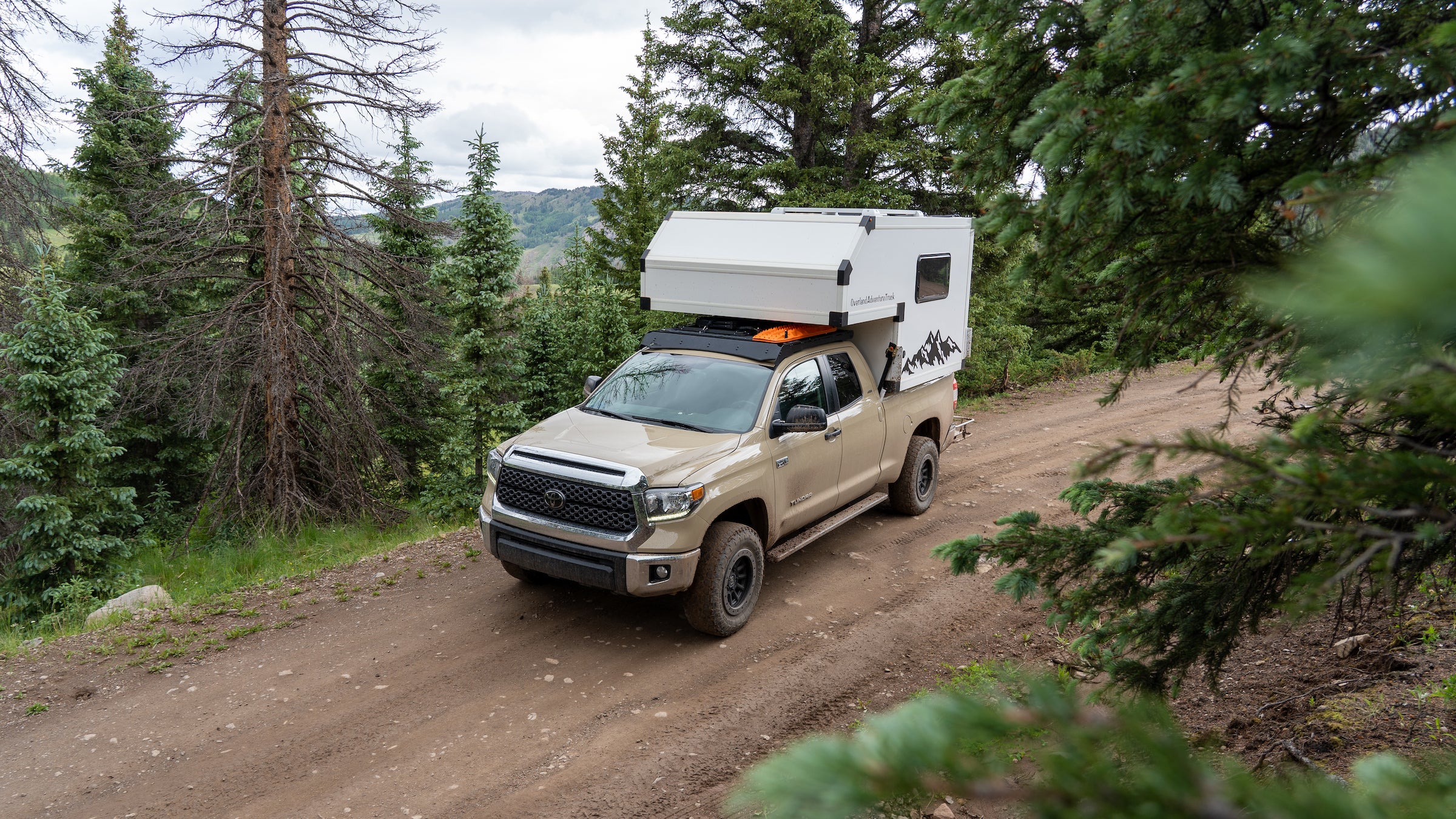
One of the most revolutionary benefits is superior insulation. Traditional builds suffer from thermal bridging—where metal frames or wooden studs conduct heat and cold straight into the interior, causing condensation, mold, and uncomfortable temperature swings. Composite panels eliminate most thermal bridges because the foam core itself acts as a continuous insulator with no internal framing required in many designs.
In freezing winter conditions or scorching desert heat, a composite-built camper stays dramatically more comfortable and dry. Users report minimal condensation issues, reduced reliance on heaters or air conditioners, and true four-season capability. This makes off-grid living far more practical for long-term travel, weekend adventures, or full-time van life.
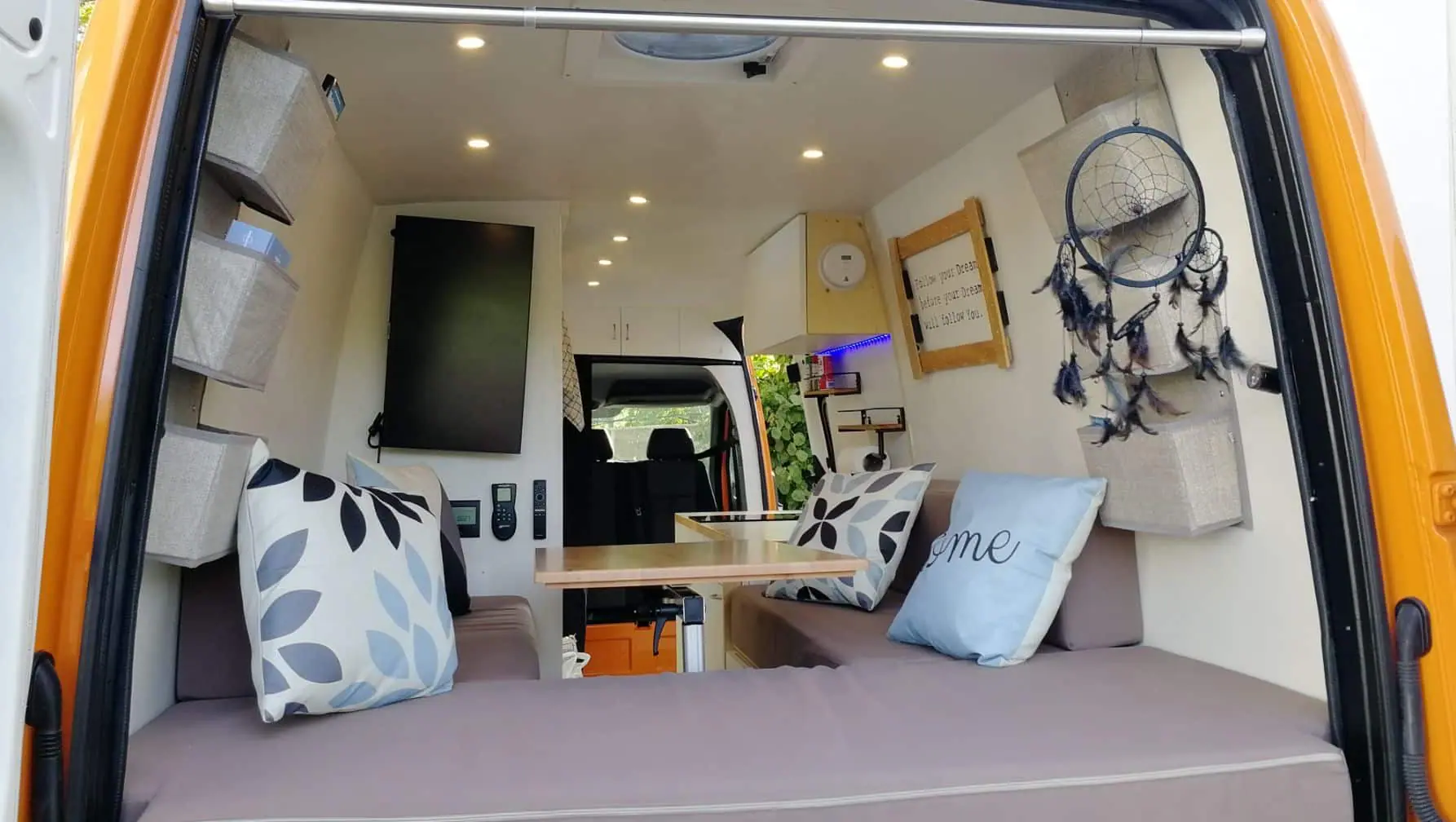
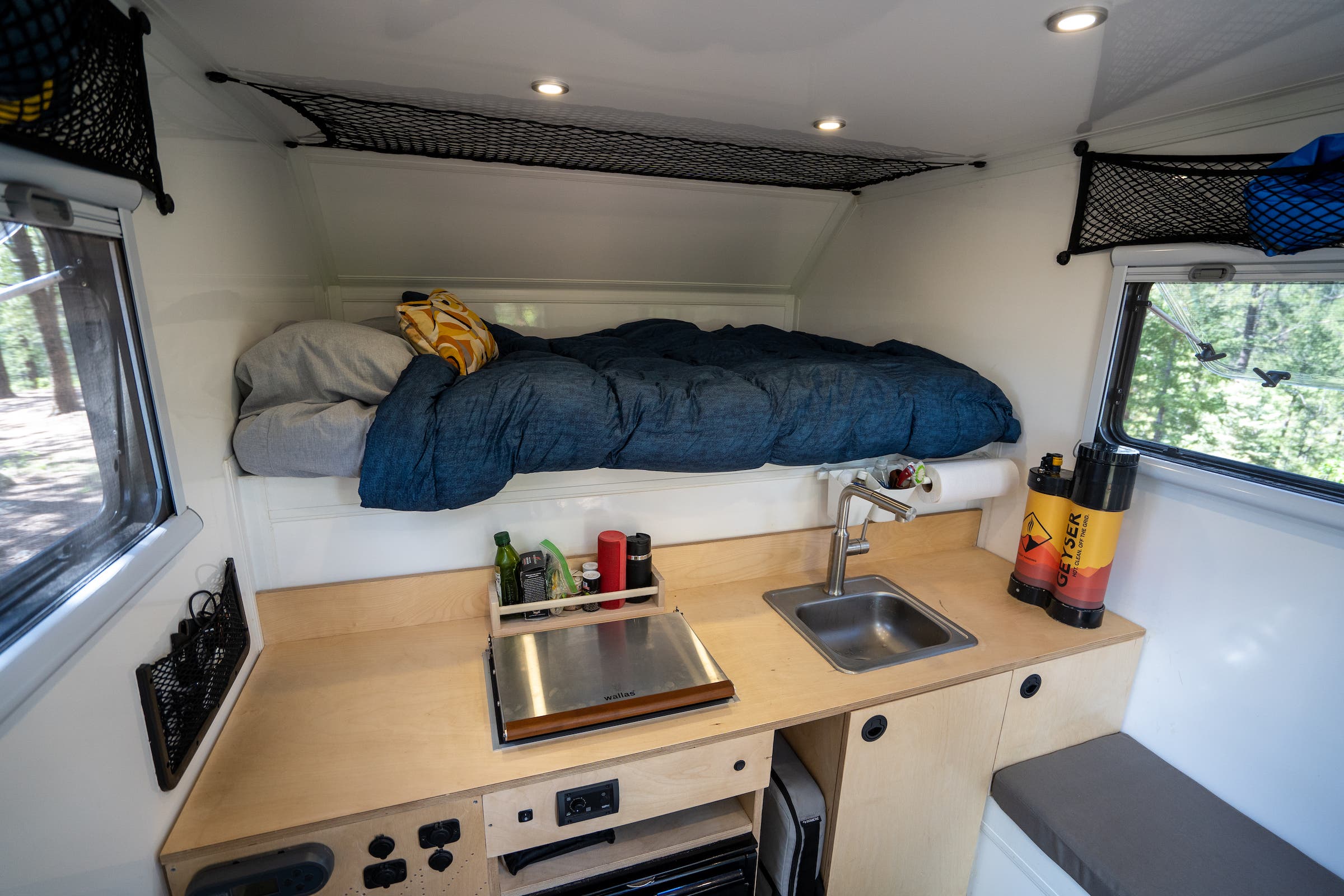
Durability and waterproofing further set composite panels apart. Closed-cell foam has extremely low water absorption (often under 1.5%), while the FRP outer skins resist UV damage, impacts, scratches, and punctures. Unlike wood that swells and rots or aluminum that dents easily, composite panels hold up exceptionally well to mud, snow, rain, and rugged trails. Repairs are straightforward—simply sand, clean, and apply epoxy resin or gelcoat—making maintenance far less expensive and time-consuming than replacing rotten plywood sections.
Real-world examples abound on forums like Expedition Portal and YouTube channels dedicated to DIY builds. Many composite campers have now been in service for 10+ years while looking nearly new. This longevity dramatically lowers the total cost of ownership and gives builders confidence to invest time and money into personalized interiors with solar power, lithium batteries, and custom cabinetry.
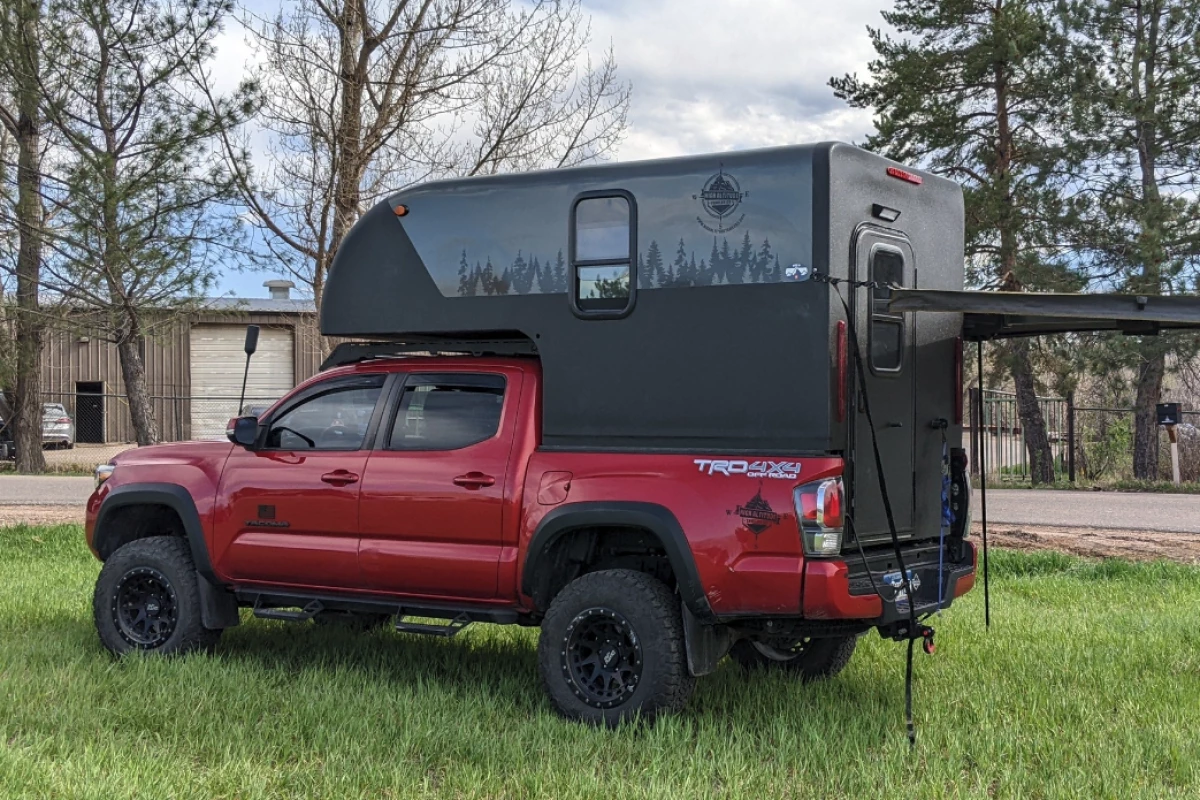
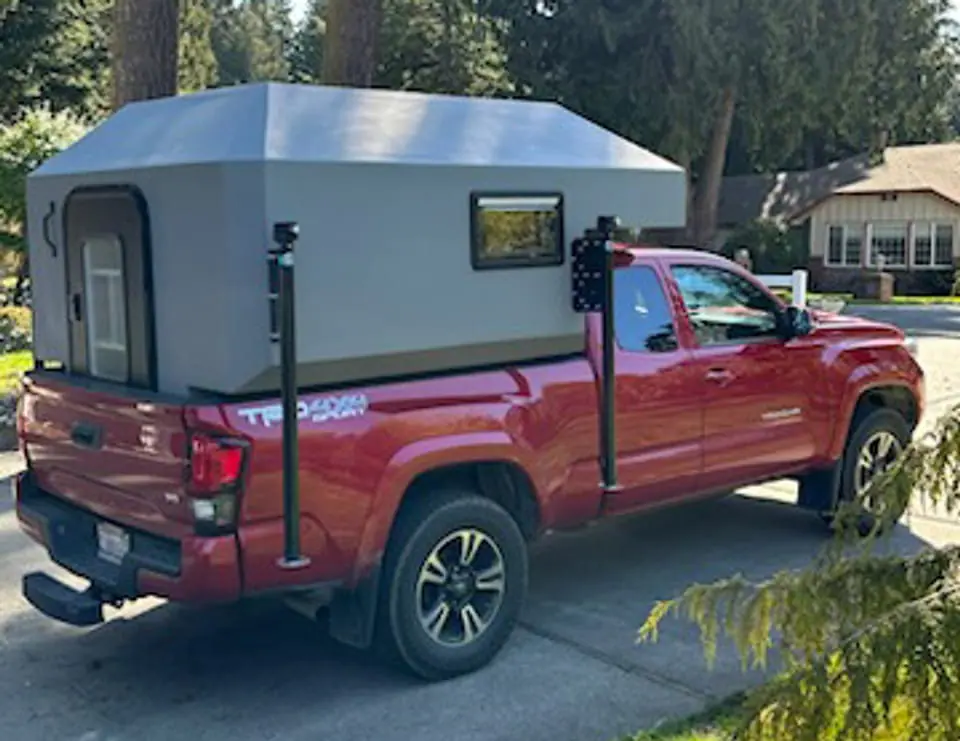
These advantages have democratized high-end camper construction. Companies like Total Composites now offer pre-cut panels, extrusion kits, detailed plans, and step-by-step tutorials. What once required advanced woodworking skills and weeks of labor can now be completed by motivated beginners in just a few days. Thousands of successful builds on platforms like YouTube demonstrate lightweight composite shells on everything from compact Rangers to full-size Rams and Tacomas.
The result? A surge in creative, lightweight, high-performance home-built campers that rival—or surpass—factory models in capability and efficiency. Builders can easily integrate roof racks, solar panels, pop-up roofs, slide-outs, and advanced electrical systems, turning a stock pickup into a capable overland machine.


From an environmental perspective, composite panels align perfectly with modern sustainable adventure trends. Reduced vehicle weight means lower fuel consumption and fewer emissions. Longer service life reduces waste, and many modern panels use more recyclable components. For eco-conscious overlanders, this enables "light is right" philosophy—better fuel efficiency, less strain on trails, and the ability to reach more remote locations without heavy rigs.
For those who prefer a turnkey solution rather than full DIY, professional builders are increasingly adopting similar composite technologies. A standout example is the Z9 Pickup Camper 2025 PHEV from Xinyujie Special Vehicles. Built on a Nissan platform, this hybrid-powered truck camper combines plug-in hybrid efficiency with rugged 4x4 capability, a pop-up roof tent, side storage compartments, solar integration, and advanced off-grid power management. Its reinforced suspension, heavy-duty protection, and thoughtful design make it ideal for serious expedition travel—bridging the gap between DIY creativity and professional reliability.
Discover more about the Z9 Pickup Camper here: https://www.cqxyj.com/product_details/Z9-pickup-camper.html
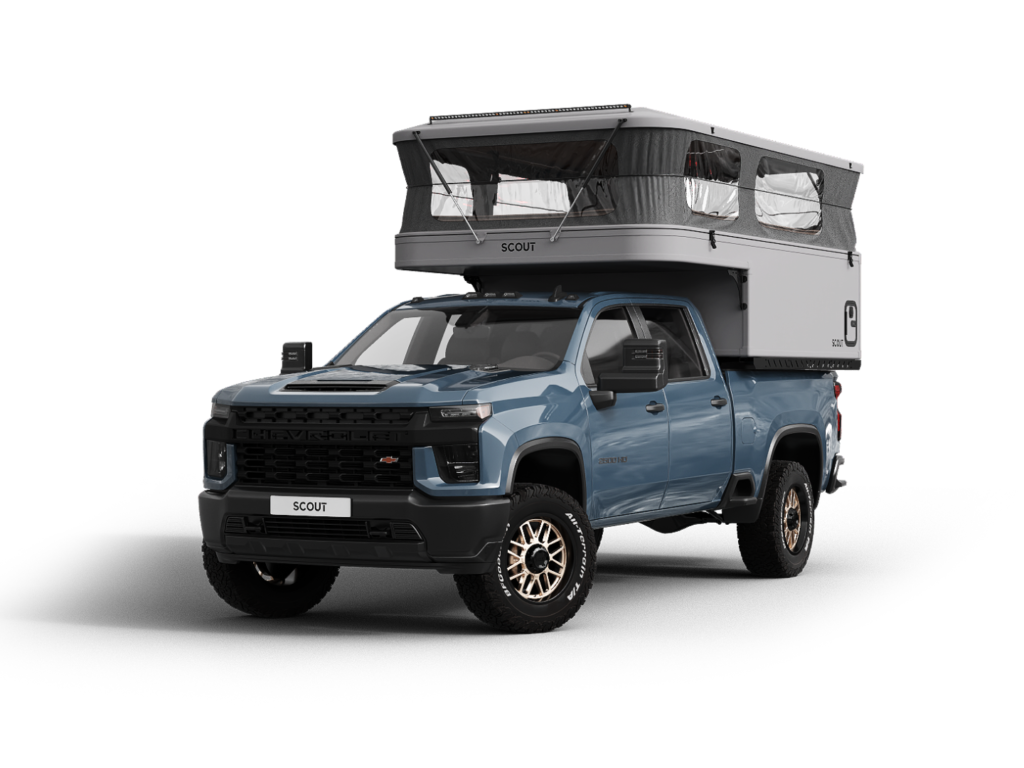

Looking ahead, composite panels will continue driving the home-built camper market toward lighter, stronger, and smarter designs. Integration with 3D-printed fittings, embedded solar, smart climate control, and modular interiors is already underway. What started as a niche material for serious builders is becoming the standard for anyone wanting a durable, efficient, and personalized adventure vehicle.
Whether you're a weekend warrior, weekend overlander, or full-time nomad, composite panels represent a smarter way to build. They deliver professional results without the professional price tag or weight penalty of older methods.
The revolution is well underway—and your next home-built camper might just begin with a single lightweight yet incredibly tough composite panel.


评论
发表评论